Sterile Water vs Bacteriostatic Water as Approved Labels Name Them
One preservative separates them. USP names, single dose versus multiple dose wording, the 1982 benzyl alcohol warning for newborns and the diluent approved kits name.
Stop 13 of 15 on the Bench Line.
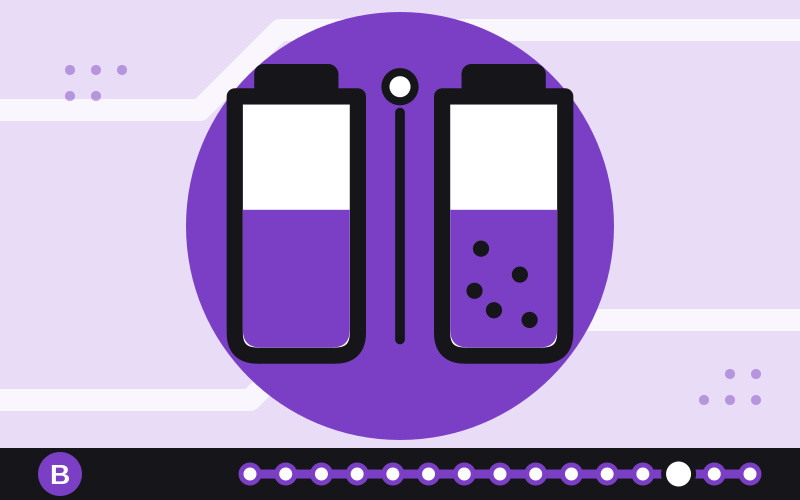
Sterile water vs bacteriostatic water comes down to one ingredient: bacteriostatic water contains benzyl alcohol as a preservative, while sterile water for injection contains nothing added at all. That difference decides whether a container is labeled for one use or for repeated withdrawals, and whether it may be used for a newborn. This Bench stop reads the official product names, the single dose and multiple dose wording, the history behind the neonatal warning, and the diluent that several approved kits name on their own labels. It quotes labels and gives no mixing method for any unapproved product.
Two USP Names and One Preservative
Both liquids are sold under names that end in USP, which ties them to a published monograph. An FDA guidance from 2015 notes that an injectable product with an official USP monograph must meet the standards in that monograph. The current Hospira label for Sterile Water for Injection, USP describes a sterile, nonpyrogenic preparation of water for injection that contains no bacteriostat, no antimicrobial agent and no added buffer, supplied only in single dose containers. The Hospira label for Bacteriostatic Water for Injection, USP describes the same water with 0.9 percent benzyl alcohol, which is 9 mg per mL, or 1.1 percent in some presentations, added as a bacteriostatic preservative. The water is the same, and only the preservative differs.
The two labels agree on what the liquids are for. Each one says the preparation is meant only for diluting or dissolving drugs for intravenous, intramuscular or subcutaneous injection, according to the instructions of the maker of the drug being given. Neither is a drink, a rinse or a fluid replacement. Both labels warn that plain water given into a vein without a dissolved substance may cause hemolysis, which means red blood cells bursting, and both say the final solution must be made roughly isotonic before such use. The bacteriostatic label adds that solutions with benzyl alcohol should not be used in epidural or spinal procedures. In the sterile water vs bacteriostatic water comparison, those shared limits matter as much as the one ingredient that differs.
Single Dose and Multiple Dose Wording on the Label
The preservative explains the container wording. Sterile water has nothing to slow bacteria that enter after the seal is pierced, so its label limits it to single dose containers, tells the user to mix thoroughly and use promptly, and ends with two short orders: do not reuse single dose containers, and discard the unused portion. Bacteriostatic water is described as a multiple dose container from which repeated withdrawals may be made, with aseptic technique, to dilute or dissolve drugs. The benzyl alcohol slows the growth of bacteria that might enter on a later puncture. It does not sterilize anything, and it does not undo a contaminated needle or a dirty stopper. Storage periods for an opened vial are a separate question that this stop leaves aside.
Approved kits show the same logic in practice. The label for Egrifta SV, a tesamorelin product, supplies thirty single dose 10 mL bottles of sterile water, one for each vial of powder, and tells the patient to throw away any water left in the bottle after use. The label for Egrifta WR, a later version of the same medicine, supplies one 30 mL multiple dose bottle of bacteriostatic water for a 28 day supply. The molecule is the same, yet the maker chose a different diluent for each product and tested each pairing. That is the lesson the labels teach: the choice is part of the approved product, written by its maker, and it is not a preference a user swaps freely.
The Benzyl Alcohol Warning for Newborns
The neonatal warning has a documented origin. In 1982 the CDC journal Morbidity and Mortality Weekly Report described sixteen deaths of premature newborns reported to FDA by two medical centers. The infants had central intravascular lines flushed several times a day with bacteriostatic saline containing 9 mg per mL of benzyl alcohol. They developed metabolic acidosis, breathing trouble with gasping, and often brain and circulation problems. After those reports, FDA recommended that flush solutions with benzyl alcohol not be used in newborns, and that diluents with this preservative not be used for their medicines. The same year, the New England Journal of Medicine published a paper by Gershanik and colleagues that named the pattern the gasping syndrome.
Labels written decades later still carry that history. The Hospira bacteriostatic water label opens with a boxed line, not for use in neonates, and states that where water is needed to prepare or dilute medicines for newborns, only preservative free sterile water should be used. The label for Novarel, a chorionic gonadotropin product, says benzyl alcohol has been reported with a fatal gasping syndrome in premature infants. The Serostim label states that benzyl alcohol has been linked to serious adverse events and death, particularly in children. The Omnitrope label asks prescribers to count the combined daily load of benzyl alcohol from every source. In the sterile water vs bacteriostatic water choice, age is the clearest dividing line any label draws.
Which Approved Kits Name Which Diluent
Many approved powders come packed with their liquid, and the label names it. The table lists several current examples from DailyMed. Each row records only the diluent the label names and how the label frames that container, without amounts. Notice how often the label says to use only the diluent provided, and how the maker ties the preserved or plain liquid to the way the vial will be used. A vial meant to be entered once tends to come with sterile water, while a vial meant for several withdrawals tends to come with a preserved liquid. Each label applies to its own product only, and no row is a rule that carries over to any other powder, approved or not.
| Approved product | Diluent named on its label | How the label frames it |
|---|---|---|
| Egrifta SV tesamorelin | Sterile Water for Injection | Single dose bottles, leftover water discarded |
| Egrifta WR tesamorelin | Bacteriostatic Water for Injection, USP | One 30 mL multiple dose bottle, only the diluent provided |
| Serostim 4 mg vial | Bacteriostatic Water with 0.9 percent benzyl alcohol | Sterile water instead in stated groups, one dose per vial |
| Enbrel multiple dose vial | Sterile Bacteriostatic Water, 0.9 percent benzyl alcohol | Supplied in a diluent syringe |
| Novarel chorionic gonadotropin | Bacteriostatic Water, 0.9 percent benzyl alcohol | 10 mL vial packed with each product vial |
| Cetrorelix acetate kit | Sterile Water for Injection | 1 mL single dose prefilled syringe |
Serostim shows how a label handles an exception. Its 4 mg vial comes with bacteriostatic water containing 0.9 percent benzyl alcohol. The label says not to use that diluent when a patient has a known hypersensitivity to benzyl alcohol, or in pregnant or breastfeeding women. In those cases the label switches to sterile water and adds a condition: only one dose per vial. The same label pairs its 5 mg and 6 mg vials with sterile water and says to use the solution immediately and discard any unused portion. A plain liquid turns a multiple use vial into a single use vial, which is the whole difference in one instruction. The label settles the choice, so nobody has to guess.
Conclusion
Sterile water vs bacteriostatic water is a question of one preservative. Sterile Water for Injection, USP has none and comes in single dose containers; Bacteriostatic Water for Injection, USP carries benzyl alcohol and allows repeated withdrawals. Benzyl alcohol is kept away from newborns since the 1982 reports. Approved kits name their own diluent, and that choice belongs to the label. Ask a pharmacist before using either liquid with any medicine.
Sources
- DailyMed drug label (U.S. National Library of Medicine)
- DailyMed drug label (U.S. National Library of Medicine)
- DailyMed drug label (U.S. National Library of Medicine)
- DailyMed drug label (U.S. National Library of Medicine)
- DailyMed drug label (U.S. National Library of Medicine)
- DailyMed drug label (U.S. National Library of Medicine)
- DailyMed drug label (U.S. National Library of Medicine)
- DailyMed drug label (U.S. National Library of Medicine)
- DailyMed drug label (U.S. National Library of Medicine)
- cdc.gov: 00001109
- PubMed, PMID 7133084
- U.S. FDA document 88138
End of this stop
Done reading? Mark it, and the map, the line strips and the planner will tick it off.
Education only, not medical advice. No personal dosing advice and no sellers. See the disclaimer.